
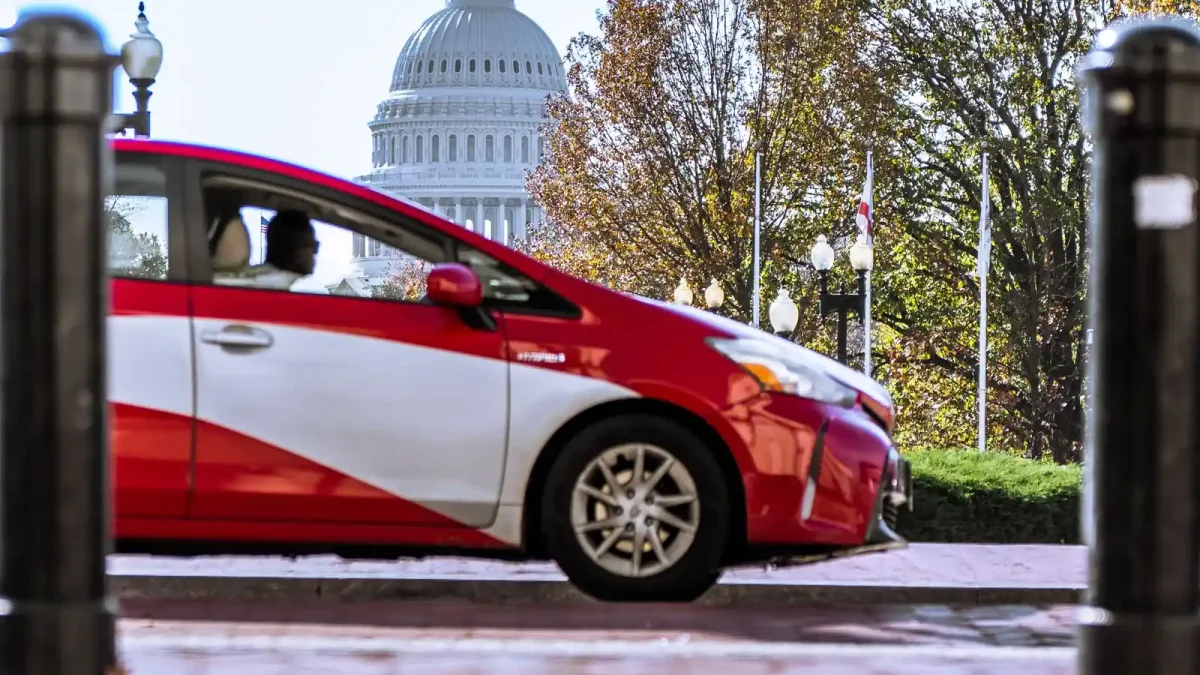
Direct answer: The best used hybrids under $15,000 in 2026 are the 2015-2016 Toyota Prius ($11,868 average for a 2015 on CarGurus), 2015 Honda Accord Hybrid ($13,356), 2015 Toyota Camry Hybrid ($13,369) and 2015 Prius c ($11,842). All four come from the most durable hybrid families in iSeeCars’ data, but every one is now past its factory battery warranty, so test the battery before you buy.
What are the best used hybrids under $15,000?
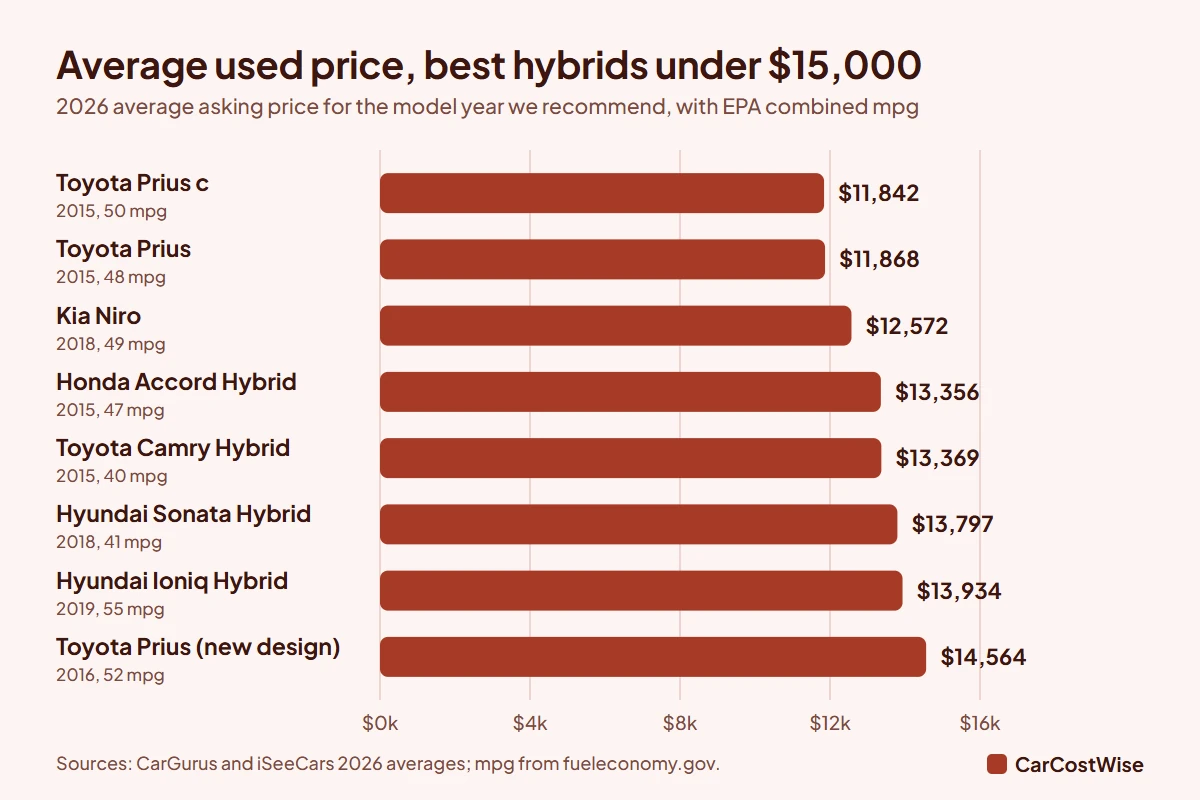
We ranked hybrids that pass four tests at once. Each has a 2026 average asking price under $15,000 for at least one model year, a RepairPal reliability rating of 4.0 or better (or a model-level figure where RepairPal does not split out the hybrid), an EPA combined rating of 40 mpg or more, and no widely reported battery or transmission defect in the years we name. Where iSeeCars’ September 2026 longevity study lists the model, we show its chance of reaching 250,000 miles. The all-vehicle average in that study is 5.4%, and the hybrid and EV average is 8.2%.
| Rank | Hybrid and model year to target | Average used price, 2026 | EPA combined mpg | RepairPal yearly repair cost | Chance of 250,000 miles (iSeeCars) |
|---|---|---|---|---|---|
| 1 | 2015 Toyota Prius (2016 for the newer design) | $11,868 (2016: $14,564), CarGurus | 48 (2016: 52) | $408 | 11.5% |
| 2 | 2015 Honda Accord Hybrid | $13,356 to $14,130, CarGurus | 47 | $400 (all Accords) | 18.5% |
| 3 | 2015 Toyota Camry Hybrid | $13,369 (2016: $14,996), CarGurus | 40 | $388 (all Camrys) | 11.5% |
| 4 | 2015 Toyota Prius c | $11,842, CarGurus | 50 | $383 | Not listed |
| 5 | 2019 Hyundai Ioniq Hybrid | $13,934, iSeeCars | 55 | About $370 | Not listed |
| 6 | 2018 Kia Niro | $12,572 (2019: $14,079), iSeeCars | 49 | $377 | Not listed |
| 7 | 2015 Lexus CT 200h | About $11,267 to $15,130 by trim, TrueCar | 42 | $386 | Not listed (Lexus brand leads luxury makes) |
| 8 | 2018 Hyundai Sonata Hybrid | $13,797 (2019: $14,456), iSeeCars | 41 | $458 (all Sonatas) | 0.3% |
| All vehicles | $652 average | 5.4% average |
Sources: average prices from CarGurus listing and price-trend pages, iSeeCars under-$15k hybrid rankings and TrueCar listings; mpg from fueleconomy.gov; repair costs from RepairPal (directly or as quoted by CarMax and Edmunds); longevity from the iSeeCars Longest-Lasting Cars study. Full links are in Sources below.
Two cautions before you read the table. RepairPal does not separate the hybrid Camry, Accord or Sonata from the gas versions, so those three figures are model-level averages. And every price is an average across trims and mileages, so a clean, low-mile car costs more and a tired one less. If you are comparing newer hybrids by what they cost to keep over 5 and 10 years, our ranking of the cheapest hybrids to maintain covers that.
Used hybrid prices compared: CarGurus, Cars.com and iSeeCars
Listing sites average different sets of cars, so the same model year can differ by $2,000 or more from one site to the next. Here is each figure we found for the model years on our list.
| Hybrid and model year | Source | Average asking price | Data date | Link |
|---|---|---|---|---|
| 2015 Toyota Prius | CarGurus | $11,868 | October 24, 2026 | CarGurus |
| 2015 Toyota Prius | Cars.com | $13,738 | November 2, 2026 | Cars.com |
| 2016 Toyota Prius | CarGurus | $14,564 | October 24, 2026 | CarGurus |
| 2016 Toyota Prius | Cars.com | $16,379 | November 2, 2026 | Cars.com |
| 2015 Honda Accord Hybrid | CarGurus | $13,356 | October 24, 2026 | CarGurus |
| 2015 Honda Accord Hybrid | Cars.com | $14,490 | November 2, 2026 | Cars.com |
| 2015 Toyota Camry Hybrid | CarGurus | $13,369 | October 24, 2026 | CarGurus |
| 2015 Toyota Camry Hybrid | Cars.com | $16,174 | November 2, 2026 | Cars.com |
| 2015 Toyota Prius c | CarGurus | $11,842 | October 24, 2026 | CarGurus |
| 2015 Toyota Prius c | Cars.com | $13,179 | November 2, 2026 | Cars.com |
| 2018 Kia Niro | Cars.com | $12,270 | November 2, 2026 | Cars.com |
| 2019 Hyundai Ioniq Hybrid | iSeeCars | $13,934 | November 2, 2026 | iSeeCars |
| 2019 Hyundai Sonata Hybrid | iSeeCars | $14,456 | November 2, 2026 | iSeeCars |
Cars.com runs higher than CarGurus on every model we could compare. On Cars.com, the 2016 Prius and the 2015 Camry Hybrid average above $15,000, so on a firm $15,000 budget the 2015 Prius, Prius c and Accord Hybrid are the safer targets. Cars.com’s averages also differ widely by trim: a 2015 Camry Hybrid SE averaged $13,999 and an LE $17,512. Treat any average as a starting point, and price the exact car by its mileage, trim and records.
Which used hybrid under $15,000 is the most reliable?
The Toyota Prius is the safest single bet, and the Honda Accord Hybrid is the best long-distance runner. iSeeCars’ current under-$15,000 reliability list covers only hybrids up to 10 years old, so the 2015 and 2016 cars on our list no longer appear on it; its longevity study is the better guide for them. In iSeeCars’ September 2026 study, the Prius and Camry Hybrid each had an 11.5% chance of reaching 250,000 miles, more than double the 5.4% average for all vehicles. The Accord Hybrid did better still at 18.5%, third among hybrids and EVs behind the Lexus RX Hybrid (28.9%) and Toyota Highlander Hybrid (20.7%), both of which cost more than this budget.
The Hyundai Sonata Hybrid is the cautionary tale. iSeeCars ranks the 2019 model as its best midsize hybrid under $15,000 on a mix of reliability, resale value and safety, but the same company’s longevity study gives the Sonata Hybrid only a 0.3% chance of reaching 250,000 miles. That is why we put it last. It is a comfortable, well-equipped sedan for the money, but buy it for the next five years, not the next fifteen.
How old is the hybrid battery on a car under $15,000?
A hybrid under $15,000 is usually a 2015 to 2019 model, old enough that you should assume the factory battery warranty is gone. Toyota covered hybrid batteries for 8 years or 100,000 miles until the 2020 model year, when it extended coverage to 10 years or 150,000 miles, according to Toyota’s October 2019 announcement. Every Toyota on our list is a 2015 or 2016 model, so its 8-year term ran out in 2023 or 2024 at the latest (our arithmetic).
What the warranty rules guarantee, and what they do not
Two layers of coverage exist: the emissions warranty set by law, and the battery warranty each automaker chooses to offer. The legal layer is narrower than many buyers think. The California Air Resources Board’s warranty fact sheet (dated March 6, 2026) sets out both the federal and the California terms:
| Coverage | Term | What it covers |
|---|---|---|
| Federal basic emissions warranty | 2 years or 24,000 miles | Any part that causes an emissions failure (1995 and newer) |
| Federal extended emissions warranty | 8 years or 80,000 miles | Catalytic converters, the engine computer (ECU) and the onboard diagnostic system only |
| California PZEV/TZEV battery or energy storage device | 10 years or 150,000 miles | Cars certified as PZEV (2001-2017) or TZEV (2018-2025) |
| California PZEV/TZEV other emissions parts | 15 years or 150,000 miles | All other emissions-related parts on those cars |
| California high-cost emissions parts | 7 years or 70,000 miles | Specific high-cost parts listed in the owner’s manual |
The hybrid battery is not one of the three parts the federal 8-year, 80,000-mile warranty names. Outside the California-certified cars, battery coverage comes from the automaker. Toyota’s was 8 years or 100,000 miles before the 2020 model year, per the Toyota announcement above. The longer 10-year, 150,000-mile term applies only to cars certified to California’s PZEV or TZEV standards, and the warranty booklet or a dealer VIN check tells you whether a given car qualifies. On a 2015 hybrid first sold in late 2014, even that 10-year term is now over (our arithmetic).
The Korean picks are the exception worth checking. Hyundai offered a lifetime hybrid battery warranty, but only to the original owner, and it covers outright failure rather than gradual capacity loss, as Green Car Reports and AutoGuide reported. Later owners usually get a shorter term. On a 2018 or 2019 Ioniq, Niro or Sonata Hybrid, ask a dealer to run the VIN and tell you in writing what battery coverage remains.
How long do hybrid batteries last, and what does a replacement cost?
Most hybrid batteries last 8 to 15 years, and they usually fade rather than die overnight. Toyota’s own expectation runs from 8 years or 100,000 miles up to 10 years or 150,000 miles, and Ford quotes 100,000 to 200,000 miles, according to SlashGear’s summary of automaker estimates. A Jalopnik buyer’s guide from May 2026 gives a useful benchmark: a pack at about 88% of its original capacity around 62,000 miles and 80% around 124,000 miles is ageing normally.
Replacement prices vary more than any other repair on these cars:
| Battery option | Typical cost | Source | Data date | Link |
|---|---|---|---|---|
| Rebuilt Prius pack, installed | About $1,500 | CarCheckerVIN | Published January 15, 2026; checked November 2, 2026 | CarCheckerVIN |
| Any hybrid pack, before labor | $1,000 to over $6,000 | Jalopnik | Published May 22, 2026; checked November 2, 2026 | Jalopnik |
| Camry Hybrid pack, owner-reported | $1,500 to $7,584 | RepairPal | Read October 2026 (re-check blocked) | RepairPal |
| Camry Hybrid pack, dealer range | About $3,000 to $5,000 | J.D. Power | Read October 2026 (re-check blocked) | J.D. Power |
| Lexus CT 200h high-voltage battery | About $4,500 to $4,700 | RepairPal | Read October 2026 (re-check blocked) | RepairPal |
The cheapest route is usually a rebuilt or remanufactured pack from an independent hybrid shop, and the dearest is a new pack from a dealer. Budget the middle of the range. On a $12,000 car, a $3,000 battery is a quarter of the purchase price (our arithmetic), so it belongs in your decision, not in a nasty surprise two years from now.
Is a used hybrid with high miles worth it?
A used hybrid with high miles is worth it if the price reflects the battery’s age and the car passes a hybrid-specific inspection. Whether fuel savings would cover a replacement pack is break-even math, and our hybrid vs gas break-even guide works it out by gas price and yearly miles, with a calculator for your own numbers.
The one hybrid on our list where high miles worry us most is the Sonata Hybrid, because of the iSeeCars longevity figure. For the Toyotas and the Accord, a well-serviced car at 150,000 miles with a healthy battery reading is a reasonable buy at the right price.
Why is the Toyota Prius the default choice?
The Toyota Prius is the default choice because it combines the lowest prices, very high fuel economy and a long track record. A 2015 Prius averages $11,868 across about 615 CarGurus listings, and a 2016 averages $14,564 across about 620. The 2016 is the first year of the fourth-generation car, rated 52 mpg combined against 48 for the 2015, according to fueleconomy.gov. If your budget allows, the newer car buys you a more modern design and 4 more mpg, though Cars.com’s $16,379 average for a 2016 shows that many sit above this budget.
RepairPal rates the Prius 4.0 out of 5, 10th of 24 midsize cars, at $408 a year in repairs, and says it visits the shop more often than average but for mostly minor problems. The known weak spot on 2010-2015 cars is a clogged EGR cooler. CarCheckerVIN advises asking whether it has been cleaned and confirming engine health with a compression check. A misfire code such as P0300 on one of these cars deserves a closer look before you buy.
The smaller Prius c is the budget pick. RepairPal rates it 4.5 out of 5, second of 21 subcompact cars, at $383 a year, and a 2015 averages $11,842 on CarGurus. It is rated 50 mpg combined, but it is noticeably smaller and slower than the regular Prius, so test-drive it on a highway.
Is a used Camry Hybrid or Accord Hybrid better?
The Accord Hybrid is the more efficient and longer-lasting car on paper, and the Camry Hybrid is easier to find. The 2015 Accord Hybrid is rated 47 mpg combined, against 40 for the 2015 Camry Hybrid LE. iSeeCars gives the Accord Hybrid an 18.5% chance of reaching 250,000 miles and the Camry Hybrid 11.5%. CarGurus listed a 2015 Accord Hybrid at an average of $14,130 on its price-trends page and $13,356 across about 70 listings, while the 2015 Camry Hybrid averaged $13,369 and the 2016 $14,996.
Both brands score well with RepairPal. The Accord is rated 4.5 out of 5 and first of 24 midsize cars at about $400 a year, and the Camry is rated 4.0 and third of 24 at $388, though neither figure isolates the hybrid. The practical difference is supply: with only about 70 Accord Hybrids of that year listed nationally, you may have to travel or wait. If you find a Camry Hybrid with service records first, it is still a strong buy.
Are the Hyundai Ioniq and Kia Niro good used hybrids?
The Hyundai Ioniq and Kia Niro are good used hybrids, and they are the newest cars this budget buys. iSeeCars lists a 2019 Ioniq Hybrid at an average of $13,934 and a 2018 Kia Niro at $12,572, with the 2019 Niro at $14,079. The Ioniq is the most efficient car here at 55 mpg combined, and the Niro is a small crossover at 49 mpg, which suits buyers who want a higher seat. Edmunds, citing RepairPal, lists the Ioniq Hybrid at about $370 a year in repairs, and CarMax, citing RepairPal, lists the Niro at $377, both rated 4.5 out of 5.
The trade-off is a shorter record. Neither model appears in iSeeCars’ 250,000-mile rankings yet, and iSeeCars has not finished scoring the Ioniq’s reliability. Both use a dual-clutch automatic rather than the simpler planetary gear set in Toyota hybrids, so ask for the service history on the transmission. Because these cars are only 7 or 8 years old, some may still carry battery coverage, which makes the VIN check worth the five minutes.
Is a used Lexus CT 200h a smart buy?
The Lexus CT 200h is a smart buy for comfort: it is a Prius underneath with a nicer cabin, and it costs about the same to repair. RepairPal’s CT 200h pages rate it 4.5 out of 5 and first of 17 luxury compact cars, at $386 a year, and describe major issues as uncommon. TrueCar averages for 2015 models range from about $11,267 for the Premium trim to $15,130, depending on trim and location. The catch is fuel economy, at 42 mpg combined, and a battery that RepairPal prices at about $4,500 to $4,700. Lexus as a brand had the best longevity in iSeeCars’ 2026 study, with a 14.4% chance of reaching 250,000 miles, but that is a brand figure, not a CT 200h figure.
Which used hybrids under $15,000 should you skip?
A few hybrids in this price range carry a known weakness or a poor longevity record:
| Hybrid | Concern | Source |
|---|---|---|
| Honda Civic Hybrid, 2006-2008 | IMA battery deterioration; a 2010 software update cut performance and mpg and led to class actions | AutoGuide, Top Class Actions |
| Ford Fusion Hybrid | RepairPal puts the Fusion at $581 a year, 18th of 24 midsize cars | RepairPal |
| Ford Escape Hybrid | 0.7% chance of reaching 250,000 miles | iSeeCars, 2026 |
| Hyundai Sonata Hybrid | 0.3% chance of reaching 250,000 miles | iSeeCars, 2026 |
| Toyota Avalon Hybrid, 2016 | Durable (17.4% chance of 250,000 miles), but averages $17,416, above this budget | iSeeCars |
The Sonata Hybrid stays on our main list because it is cheap, well equipped and rated 4.0 by RepairPal, but price it for a shorter life. If you are open to a gas car, our cheapest used cars to maintain under $10,000 list covers the Corolla, Civic and other low-cost picks.
How do you check a used hybrid before you buy?
Treat the battery like the engine: get it measured, not guessed. Work through this checklist in order. The first three steps cost nothing, so do them before you pay for an inspection.
| Step | What to check | Why it matters | Source |
|---|---|---|---|
| 1. Read the Buyers Guide | At a dealer, the window sticker says whether the car is sold “as is” or with a warranty | It tells you whether any repairs after the sale are the dealer’s problem or yours | FTC |
| 2. Run the VIN for recalls | Enter the car’s VIN on NHTSA’s recall lookup | The FTC’s Buyers Guide itself tells buyers to check for safety recalls, and an open recall should be fixed before you buy | NHTSA, FTC |
| 3. Ask for the paperwork | Oil and coolant service records, plus receipts and warranty for any battery work | A rebuilt or replaced pack with a receipt is a selling point, and a car with no records is a risk | Jalopnik |
| 4. Check remaining battery coverage | Ask a dealer for that brand to run the VIN and confirm in writing what coverage remains | California-certified cars and Hyundai and Kia models may still have some, and most 2015-2016 cars have none | CARB, Green Car Reports |
| 5. Watch the test drive | Fuel economy close to the EPA rating, and a battery gauge that holds steady | AutoGuide notes that a car holding close to its rating with a steady gauge usually has a sound pack; anything else is a reason to get the battery tested | AutoGuide |
| 6. Watch for freshly cleared codes | A scan tool showing recently reset monitors | Jalopnik calls a recently reset system a major red flag | Jalopnik |
| 7. Pay for a hybrid inspection | A battery state-of-health report from an independent hybrid shop, typically $200 to $400 | 85% of original capacity or more is generally considered healthy; about 88% at 62,000 miles and 80% at 124,000 miles is normal ageing | Jalopnik |
| 8. Price in the battery | Use the replacement costs above if coverage is gone and no health reading is available | A $1,500 to $3,000 pack is a big share of a $12,000 car | CarCheckerVIN, J.D. Power |
Hybrids also tend to be easy on brakes because regenerative braking does much of the work, but still look at the pads; a brake job runs $322 to $586 per axle. Our best time of year to buy a car guide can help with timing.
Should you buy a used hybrid from a dealer or a private seller?
Either can work if the car passes the checklist above, but the paperwork differs. The FTC’s Used Car Rule requires a dealer to post a Buyers Guide:
“Dealers have to display a Buyers Guide in every used car they offer for sale.” (Federal Trade Commission)
The guide states whether the car comes with a warranty or is sold “as is”. The FTC explains that “as is” means the dealer will not pay for any problems or repairs after the sale. Most of the cars on our list are 10 or more years old and out of factory warranty, so many will be sold as is. That makes the independent inspection your main protection. The FTC also says the guide encourages you to have the car inspected by an independent mechanic before you buy.
Private sellers are different. The FTC’s Buying a Used Car guide says they generally are not covered by the Used Car Rule and do not have to use the Buyers Guide. It adds that private sales usually fall outside state-law implied warranties, so a private sale is probably “as is” unless your purchase agreement says otherwise. Either way, the inspection report and service records matter more than where the car is parked.
Will a used hybrid save you money overall?
It can, if you buy at the right price and the battery checks out. The break-even guide shows how long the fuel savings take to cover a price gap. The maintenance cost ranking shows which models cost least to keep. For more help choosing, browse our buying guides.
FAQ
Does the hybrid battery warranty transfer to a second owner?
Toyota’s battery warranty follows the car, but 2015-2016 models were covered for only 8 years or 100,000 miles, so it has expired. Hyundai’s lifetime hybrid battery warranty applies to the original owner only. Ask a dealer to check the VIN for any remaining coverage.
Does the federal emissions warranty cover a hybrid battery?
Not by name. The federal 8-year, 80,000-mile emissions warranty covers only catalytic converters, the engine computer and the onboard diagnostic system, according to the California Air Resources Board’s warranty fact sheet. Cars certified to California’s PZEV or TZEV standards carry 10 years or 150,000 miles on the battery.
How much does a used hybrid inspection cost?
A professional pre-purchase inspection with a battery state-of-health report typically costs $200 to $400, according to Jalopnik’s May 2026 buyer’s guide. A pack at 85% of its original capacity or more is generally considered healthy.
Is a used hybrid from a private seller sold with a warranty?
Usually not. The FTC says private sellers generally are not covered by the Used Car Rule, and private sales usually fall outside state-law implied warranties. Unless your purchase agreement says otherwise, the sale is probably “as is”.
Sources
- iSeeCars, Best Used Hybrid Cars Under $15k for 2026 (2019 Sonata Hybrid $14,456, 2019 Ioniq Hybrid $13,934)
- iSeeCars, Most Reliable Used Hybrid Cars Under $15k (covers hybrids 1 to 10 years old; checked November 2, 2026)
- Cars.com research pages, average listing prices checked November 2, 2026 (2015 Prius $13,738; 2016 Prius $16,379; 2015 Accord Hybrid $14,490; 2015 Camry Hybrid $16,174; 2015 Prius c $13,179; 2018 Kia Niro $12,270)
- California Air Resources Board, California Vehicle and Emissions Warranty Periods (March 6, 2026; federal and California warranty terms)
- Federal Trade Commission, Buying a Used Car From a Dealer (April 2024; Buyers Guide and “as is”)
- Federal Trade Commission, Buying a Used Car (private sellers and the Used Car Rule; implied warranties)
- NHTSA, recall lookup by VIN
- iSeeCars, Best Used Hybrid SUVs Under $15k (2018 Kia Niro $12,572, 2019 $14,079)
- iSeeCars, Best Used Hybrid Midsize Cars Under $15k (2018 Sonata Hybrid $13,797)
- iSeeCars, Longest-Lasting Cars study (September 15, 2026; 5.4% average, hybrid and EV average 8.2%, model figures)
- iSeeCars, Toyota Avalon Hybrid prices by model year (2016 $17,416)
- CarGurus, used 2015 Toyota Prius listings (average $11,868, about 615 listings)
- CarGurus, used Toyota Prius pricing (2016 model year average $14,564 across about 620 listings, as shown in search results)
- CarGurus, used 2015 Toyota Prius c listings (average $11,842)
- CarGurus, used Honda Accord Hybrid price trends (2015 $14,130)
- CarGurus, used 2015 Honda Accord Hybrid listings (average $13,356, about 70 listings)
- CarGurus, used Toyota Camry Hybrid listings and price table (2015 $13,369, 2016 $14,996)
- TrueCar, used Lexus CT listings (2015 CT 200h trim averages)
- U.S. EPA and DOE, fueleconomy.gov ratings for each model year listed (for example the 2015 Prius at 48 mpg combined)
- RepairPal, Toyota Prius reliability rating (4.0, 10th of 24, $408 a year)
- RepairPal, Toyota Prius c reliability rating (4.5, 2nd of 21, $383 a year)
- RepairPal, Honda Accord repair and maintenance costs (4.5, 1st of 24, $400 a year)
- RepairPal, Toyota Camry repair and maintenance costs (4.0, 3rd of 24, $388 a year)
- RepairPal, Lexus CT200h repair and maintenance costs (4.5, $386 a year; battery about $4,500 to $4,700)
- RepairPal, Hyundai Sonata repair and maintenance costs (4.0, $458 a year)
- RepairPal, Ford Fusion reliability rating (4.0, 18th of 24, $581 a year)
- RepairPal, Toyota Camry hybrid battery replacement estimate ($1,500 to $7,584 owner-reported)
- Edmunds, 2022 Hyundai Ioniq Hybrid review (RepairPal 4.5 and about $370 a year)
- CarMax, Kia Niro research page (RepairPal 4.5 and $377 a year)
- CarMax, RepairPal reliability ratings explained (all-vehicle average of $652 a year)
- J.D. Power, How much does a Camry Hybrid battery replacement cost (about $3,000 to $5,000)
- Toyota Pressroom, Toyota extends battery warranty for model year 2020 hybrids (8 years or 100,000 miles before, 10 years or 150,000 miles after)
- SlashGear, How long do the batteries in hybrid cars last (automaker battery-life estimates)
- Jalopnik, How to buy a used hybrid without getting burned (May 22, 2026; inspection $200 to $400, 85% state of health, $1,000 to over $6,000 packs)
- AutoGuide, What do I need to know when shopping for a used hybrid (fuel economy and battery gauge check)
- Green Car Reports, 2017 Hyundai Ioniq to have lifetime battery failure warranty (original owner, failure not capacity loss)
- AutoGuide, Hyundai gives details on Sonata Hybrid lifetime battery warranty (not transferable)
- AutoGuide, Honda Civic Hybrid owners disappointed with battery software fix (2006-2008 IMA update)
- Top Class Actions, Honda Civic Hybrid class action settlement (December 30, 2011)
- CarCheckerVIN, Best Used Cars Under $10,000 (January 15, 2026; rebuilt Prius pack about $1,500 installed, EGR cooler)
We could not open some RepairPal, CarGurus and J.D. Power pages directly (the sites blocked our requests), so those figures are as the pages appear in search results, checked against a second source where possible. Warranty dates are our arithmetic and are labeled. On November 2, 2026, Kelley Blue Book, Edmunds, CarGurus, RepairPal and J.D. Power again blocked our checks, so their figures carry their October dates. Prices change every month, so check current listings for the exact car.
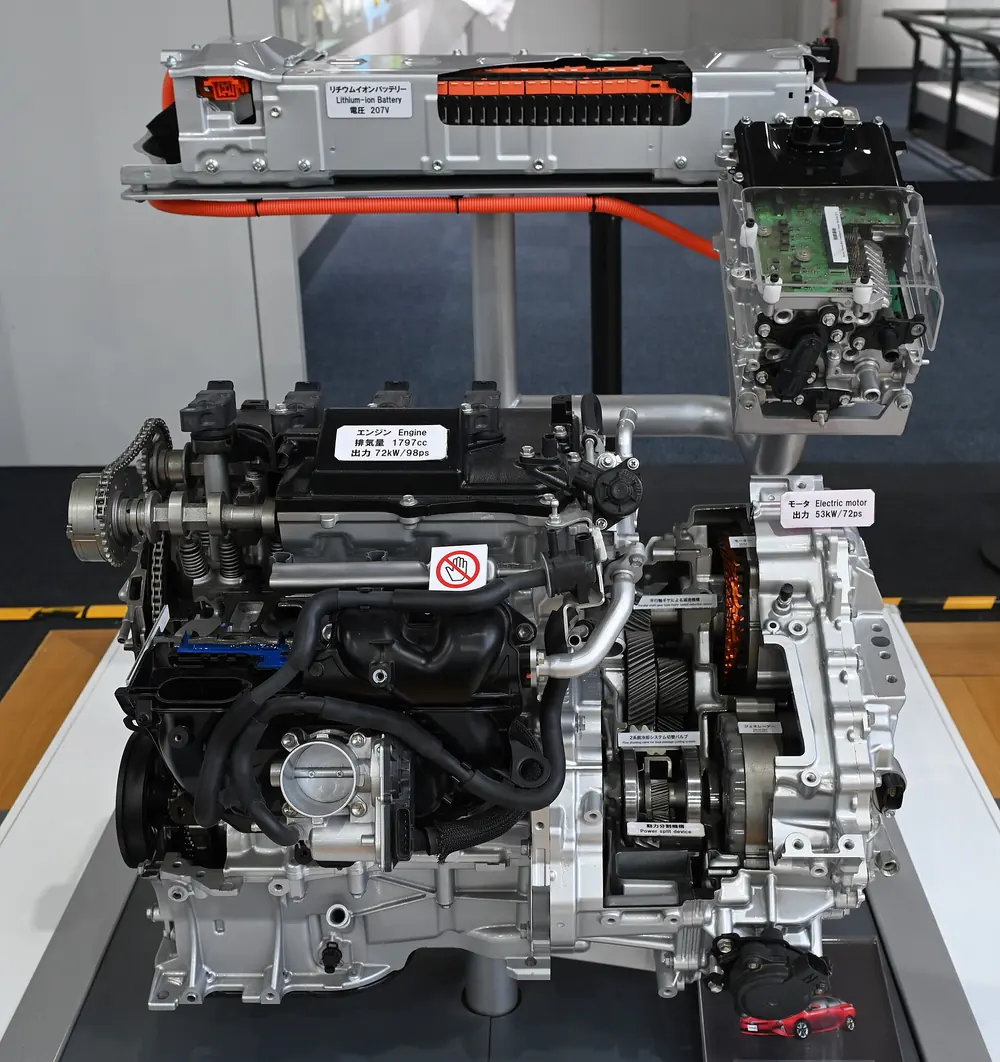
Updated November 2, 2026: added a used-price comparison across CarGurus, Cars.com and iSeeCars, the federal and California battery warranty terms from CARB, an eight-step pre-purchase inspection checklist, a dealer-vs-private-seller section with FTC rules and a photo of the Prius hybrid system; moved the fuel-savings math to our break-even guide. | By Rasel Hakkani
This article is general information, not financial or mechanical advice. Get a hybrid-specific inspection and a battery health report for the exact car you plan to buy.